
El Salvador Travel Guide: A Comprehensive Overview (Updated 02/03/2026)
El Salvador offers a unique travel experience, but awareness is key. Pacific Ocean currents pose significant risks, demanding caution for swimmers. Road safety requires vigilance, especially at night, and insect repellent is essential due to prevalent mosquito-borne diseases.
El Salvador, the smallest country in Central America, is a land of dramatic landscapes, vibrant culture, and a complex history. Often overlooked by tourists, it’s a destination brimming with potential for adventurous travelers seeking authentic experiences. From powerful Pacific waves attracting surfers worldwide to lush volcanic slopes and charming colonial towns, El Salvador offers a diverse range of attractions.
However, it’s crucial to approach travel to El Salvador with informed awareness. While recent efforts have focused on improving safety and boosting tourism, the country still carries a reputation for challenges. The Pacific Ocean, while beautiful, demands respect due to strong currents and rip tides – it’s far from a gentle swimming environment. Road conditions can vary significantly, particularly outside of major cities, and nighttime driving presents added risks.
Despite these considerations, El Salvador’s warmth and beauty are undeniable. The ‘Ruta de las Flores’ showcases picturesque villages and coffee plantations, while Suchitoto captivates with its colonial architecture. This guide aims to provide a comprehensive overview, equipping you with the knowledge to navigate El Salvador safely and enjoy its hidden gems.
Safety Considerations for Travelers
Prioritizing safety is paramount when traveling in El Salvador. While improvements are ongoing, a heightened sense of awareness is essential. The most significant natural hazard is the Pacific Ocean; its powerful waves and dangerous rip currents are not to be underestimated. Swimming should be approached with extreme caution, and never after consuming alcohol.
Road safety is another critical concern. Avoid driving at night, especially in rural areas, due to poor road conditions and lack of lighting. Obstacles like potholes, missing manhole covers, and even animals or pedestrians on the road are common. Defensive driving and adherence to speed limits are crucial. Trust your instincts and avoid areas that feel unsafe.
Beyond these, general precautions apply. Be mindful of your belongings, avoid displaying valuables, and be wary of unsolicited assistance. Mosquito-borne diseases are prevalent, particularly during the rainy season, so consistent use of insect repellent is vital. When venturing into the outdoors, especially for hiking, inform someone of your plans and avoid solo excursions in remote areas to minimize the risk of getting lost.
Ocean Safety: Understanding Pacific Waves & Rip Tides
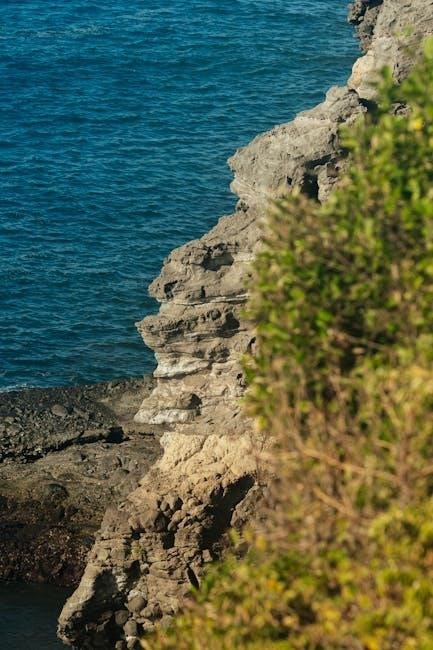
El Salvador’s Pacific coastline is renowned for its surfing, a direct consequence of its powerful waves. These waves are significantly stronger than those found in calmer waters like Florida, demanding respect and caution from all ocean users, not just surfers. The ocean is far from “Pacific” in nature, presenting genuine dangers to unsuspecting swimmers.
A primary concern is the prevalence of rip tides – strong, narrow currents flowing away from the shore. Recognizing a rip tide is crucial: look for channels of choppy, discolored water, or areas with a lack of breaking waves. If caught in a rip tide, do not swim directly back to shore; instead, swim parallel to the beach until you escape the current, then swim towards land.
Never swim alone, and always be aware of your surroundings. Avoid entering the water after consuming alcohol, as it impairs judgment and coordination. Heed any warnings from lifeguards or local authorities. Understanding these risks and taking appropriate precautions is vital for a safe and enjoyable experience along El Salvador’s beautiful, yet potentially hazardous, coastline.
Road Safety: Driving Conditions & Precautions
Driving in El Salvador requires heightened awareness and defensive techniques. While major highways are generally in reasonable condition, many rural roads are poorly maintained, with potholes, missing manhole covers, and unexpected obstacles. These hazards are particularly dangerous at night, as most roads outside of cities and along major routes lack adequate lighting.
Avoid driving at night in unfamiliar areas, especially in the countryside. If driving is unavoidable, proceed with extreme caution and reduce your speed significantly. Be prepared for unexpected obstructions – animals, pedestrians, and debris are common on the roads. Distracted driving is particularly risky; refrain from using mobile phones or texting while operating a vehicle.
Always prioritize safe driving practices: maintain a safe following distance, wear your seatbelt, and obey all traffic laws. Speeding is a significant factor in accidents. Remember that road conditions can change rapidly, so constant vigilance is essential. Prioritizing safety will contribute to a smoother and more secure journey throughout El Salvador.

General Safety: Awareness & Trusting Instincts
Maintaining a high level of situational awareness is paramount for a safe trip to El Salvador. While recent improvements have been noted, exercising caution and trusting your instincts remain crucial. Be mindful of your surroundings, especially in crowded areas or unfamiliar neighborhoods. Avoid displaying expensive jewelry or electronics, which can attract unwanted attention.
It’s wise to avoid venturing into areas known for high crime rates, and to be particularly cautious when using public transportation. While many locals are friendly and helpful, be discerning about who you trust. If a situation feels uncomfortable or unsafe, remove yourself immediately. Don’t hesitate to seek assistance from hotel staff or local authorities if you feel threatened.
Remember, a proactive approach to safety is key. Be aware of potential scams and petty theft. Staying informed about current events and local conditions can also help you make informed decisions. Ultimately, trusting your gut feeling and prioritizing your personal safety will contribute to a more enjoyable and secure travel experience.
Health Precautions: Mosquitoes & Insect Repellent
Protecting yourself from mosquito-borne illnesses is a vital health precaution when traveling in El Salvador, particularly during the rainy season. Diseases transmitted by mosquitoes are common, posing a potential risk to travelers. Consistent and diligent use of a high-quality insect repellent containing DEET, picaridin, or oil of lemon eucalyptus is strongly recommended.
Apply repellent liberally to exposed skin, following the manufacturer’s instructions carefully. Consider wearing long sleeves and pants, especially during dawn and dusk when mosquitoes are most active. Sleeping under a mosquito net can provide additional protection, particularly in accommodations without screened windows or air conditioning.
Beyond mosquito protection, it’s advisable to consult your doctor regarding recommended vaccinations and prophylactic medications before your trip. Ensure you have adequate travel insurance that covers medical expenses. Staying hydrated and practicing good hygiene, such as frequent handwashing, will also contribute to maintaining your health throughout your journey.
Hiking & Outdoor Activities: Avoiding Getting Lost
El Salvador’s stunning landscapes offer incredible hiking and outdoor adventures, but venturing into remote areas requires careful preparation to avoid getting lost. Instances of tourists becoming lost while hiking, even on volcanoes, are unfortunately common, sometimes necessitating search and rescue operations involving the military.
Before embarking on any hike, thoroughly research the trail, assess its difficulty, and check weather conditions. Inform someone of your hiking plans, including your route and expected return time. Carry a detailed map, a compass, and a fully charged mobile phone with a local SIM card for communication.
Consider hiring a local guide, especially for less-traveled trails. Stick to marked paths and avoid shortcuts. Pack sufficient water, snacks, and appropriate clothing for changing weather conditions. Be aware of your surroundings and pay attention to landmarks. If you do become disoriented, stay calm, retrace your steps if possible, and signal for help.
Popular Destinations
El Salvador boasts a diverse range of destinations, each offering a unique experience for travelers. From bustling city life to tranquil colonial towns and world-class surf spots, there’s something for everyone.

San Salvador, the capital city, provides a glimpse into the country’s history and culture, with museums, historical sites, and vibrant markets. For surf enthusiasts, El Tunco is a must-visit, renowned for its consistent waves and lively beach scene.
The Ruta de las Flores is a scenic route winding through charming towns adorned with colorful flowers, offering opportunities for hiking, coffee plantation tours, and cultural immersion. Suchitoto, a beautifully preserved colonial town, captivates visitors with its cobblestone streets, art galleries, and stunning views of Lake Suchitlán.
These destinations represent just a fraction of what El Salvador has to offer, promising unforgettable adventures and a rich cultural experience for those willing to explore.
San Salvador: The Capital City
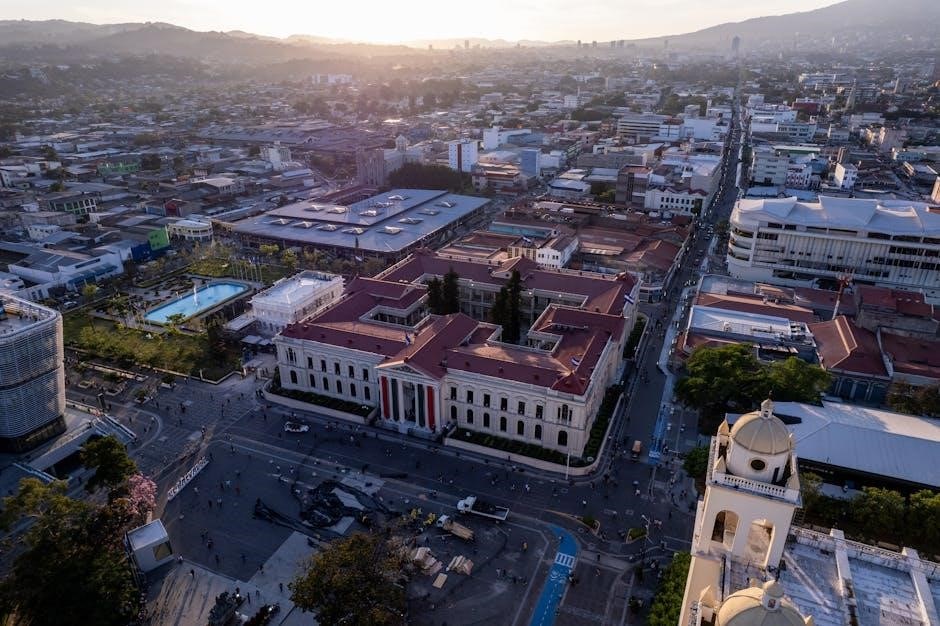
San Salvador, the heart of El Salvador, is a dynamic metropolis blending historical charm with modern energy. It serves as a crucial hub for exploring the nation, offering a diverse range of attractions and experiences for visitors.
Explore the Metropolitan Cathedral, a stunning architectural landmark, and delve into the nation’s past at the National Palace and the Museo Nacional de Antropología Dr. David J. Guzmán. Immerse yourself in local culture at the bustling Mercado Central, a vibrant marketplace brimming with local crafts, produce, and street food.

The city also boasts numerous parks and green spaces, providing respite from the urban bustle. Enjoy the culinary scene, ranging from traditional Salvadoran cuisine to international flavors. While exploring, remain aware of your surroundings and exercise standard safety precautions, as with any major city. San Salvador provides a compelling introduction to the spirit and soul of El Salvador.
El Tunco: Surfing Paradise
El Tunco is internationally renowned as El Salvador’s premier surfing destination, attracting wave riders of all levels. This vibrant beach town pulsates with a laid-back atmosphere and a thriving surf culture, making it a must-visit for ocean enthusiasts.
The consistent Pacific swells create ideal conditions for surfing, with breaks like El Tunco itself, La Bocana, and El Sunzal offering diverse challenges. Numerous surf schools and rental shops cater to beginners, while experienced surfers can tackle the more demanding waves. Beyond surfing, El Tunco offers a lively nightlife, beachfront restaurants serving fresh seafood, and opportunities for relaxation.
However, remember the Pacific Ocean’s power. Exercise extreme caution when swimming or surfing, be mindful of rip tides, and avoid entering the water after consuming alcohol. El Tunco embodies the adventurous spirit of El Salvador, promising an unforgettable experience for those seeking sun, surf, and good vibes.
Ruta de las Flores: Scenic Flower Route
The Ruta de las Flores (Route of the Flowers) is a breathtaking journey through El Salvador’s stunning countryside. This picturesque route connects a series of charming colonial towns nestled amongst coffee plantations and vibrant flower farms, offering a delightful escape from the coastal heat.
Towns like Juayúa, Ataco, and Concepción de Ataco boast cobblestone streets, colorful architecture, and a relaxed pace of life. Visitors can explore local artisan workshops, sample delicious Salvadoran cuisine, and immerse themselves in the region’s rich cultural heritage. Weekends often feature lively festivals and markets, showcasing local produce and crafts.
While exploring, remember general safety precautions. Rural roads can be poorly maintained, and driving at night is discouraged. Embrace the slower pace, savor the natural beauty, and experience the authentic charm of El Salvador’s floral heartland. The Ruta de las Flores provides a captivating glimpse into the country’s rural soul.
Suchitoto: Colonial Charm
Suchitoto is a beautifully preserved colonial town, offering a step back in time. Located on a hilltop overlooking the vast Lake Suchitlán, this enchanting destination captivates visitors with its cobblestone streets, whitewashed buildings, and vibrant cultural scene. It’s a haven for artists, writers, and those seeking a tranquil escape.

Explore the Iglesia de Santa Lucía, a stunning church with panoramic views, and wander through the town’s art galleries and artisan shops. Lake Suchitlán provides opportunities for boat tours and birdwatching, showcasing the region’s diverse ecosystem. Enjoy traditional Salvadoran cuisine at local restaurants, savoring the flavors of the area.
Remember to exercise general safety awareness while exploring. While Suchitoto is generally safe, it’s wise to be mindful of your surroundings and avoid walking alone at night. Immerse yourself in the town’s colonial ambiance and discover the hidden gems of this captivating destination, a true jewel of El Salvador.
Practical Information

Planning your trip to El Salvador requires some essential knowledge. Visa requirements vary depending on your nationality; check with the Salvadoran embassy or consulate in your country before travel. The official currency is the US dollar, and banking services are available in major cities, though ATMs may have limited availability in rural areas.
Transportation options include buses, taxis, and rental cars. Buses are affordable but can be crowded, while taxis are readily available in urban centers. Driving offers flexibility, but road conditions can be challenging, especially outside major highways, and night driving is discouraged. Be aware of potential obstacles on roads.
Health precautions are crucial; mosquito-borne diseases are common, so use insect repellent. Stay hydrated and be mindful of food safety. Finally, remember that trusting your instincts and maintaining general awareness are vital for a safe and enjoyable experience throughout your Salvadoran adventure.
Visa Requirements & Entry Procedures
Understanding El Salvador’s entry requirements is crucial for a smooth arrival. Visa necessities depend heavily on your nationality; citizens of many countries, including the United States, Canada, and most of Europe, can enter El Salvador visa-free for tourism stays of up to 90 days. However, always verify the latest regulations with the Salvadoran embassy or consulate in your home country before your trip.
Upon arrival, you’ll need a valid passport with at least six months of validity remaining. You may also be asked to show proof of onward travel (a return ticket) and sufficient funds to cover your stay. A tourist card may be required, often included in your airline ticket price, but confirm this with your airline.
Be prepared for immigration procedures, which may involve questions about your travel plans. Ensure your documentation is readily accessible to expedite the process. It’s always wise to have copies of your passport and visa (if applicable) stored separately.
Currency & Banking

El Salvador officially uses the United States dollar (USD) as its legal tender, having dollarized its economy in 2001. This simplifies transactions for visitors from the US, eliminating the need for currency exchange. However, it’s still prudent to inform your bank of your travel dates to avoid any issues with card usage.
Credit cards are accepted in larger establishments, such as hotels, restaurants in San Salvador, and some tourist-oriented businesses. However, cash is king, particularly in smaller towns, markets, and for street vendors. ATMs are available in major cities, but fees can be substantial, so plan accordingly.
Exercise caution when withdrawing cash and be aware of your surroundings. It’s advisable to use ATMs located inside banks during business hours. While banking services are available, they may be limited in rural areas. Small denominations are useful for everyday purchases and tipping. Be mindful of exchange rates if converting other currencies.
Transportation Options
El Salvador offers a variety of transportation options for travelers, ranging from budget-friendly to more comfortable choices. Public buses are the most common and affordable way to get around, connecting most towns and cities, but they can be crowded and slow. “Chicken buses” (brightly colored former school buses) are a cultural experience, but require patience and awareness.
Private shuttle services provide a more convenient and direct option, especially for longer distances or airport transfers. These are generally pre-booked and offer a higher level of comfort and security. Taxis are readily available in urban areas, but agree on a fare before starting your journey. Ride-sharing apps are limited in availability.
Renting a car offers flexibility, but road conditions can be challenging, particularly outside major highways. Night driving is strongly discouraged due to poor lighting and potential obstacles. Be prepared for unpaved roads and cautious driving is essential. Consider a 4×4 vehicle for exploring more remote areas.