
Understanding GE Condenser Dryer Manuals
Today, March 27, 2026, GE operates as three independent companies: GE Aerospace, GE Vernova, and GE HealthCare, following recent strategic spinoffs and updates.
GE condenser dryers represent a significant advancement in laundry technology, offering efficient and convenient clothes drying solutions. Unlike vented dryers, condenser dryers don’t require an external exhaust hose, providing installation flexibility for any room. These dryers collect moisture from the clothes during the drying cycle and condense it into water, which is then stored in a container or drained away.
As of today, March 27, 2026, GE operates through GE Aerospace, GE Vernova, and GE HealthCare, reflecting a recent restructuring. Understanding your GE condenser dryer requires referencing the specific manual for your model, as features and operation can vary. These manuals, available online through the newly structured GE company websites (GE Aerospace, GE Vernova, GE HealthCare), provide crucial information for optimal performance and longevity. Proper use, guided by the manual, ensures efficient drying and minimizes potential issues.
Why Read the Manual?
Your GE condenser dryer manual is the definitive guide to unlocking its full potential and ensuring safe, efficient operation. Ignoring it can lead to suboptimal performance, damage to your clothes, or even dryer malfunction. The manual details specific cycle recommendations for various fabric types, maximizing drying effectiveness while protecting garments.
Given GE’s recent transition into GE Aerospace, GE Vernova, and GE HealthCare, accessing the correct manual is crucial. These manuals outline essential safety precautions, troubleshooting steps, and maintenance schedules. Understanding error codes, as detailed within, can prevent costly repairs. Furthermore, the manual explains advanced features, like steam functions (if applicable), and connectivity options, ensuring you fully utilize your dryer’s capabilities. Referencing the manual safeguards your investment and prolongs the dryer’s lifespan.

Key Components & Features
GE’s recent restructuring into GE Aerospace, GE Vernova, and GE HealthCare impacts support resources; understanding dryer components is vital for efficient operation and maintenance.
Condenser Unit Explained
The condenser unit within a GE condenser dryer is crucial for efficiently removing moisture from the clothes. Unlike vented dryers, condenser dryers don’t expel hot, moist air outside; instead, they cool the humid air, causing water to condense. This condensed water is then collected in a removable container or drained through a hose – a key maintenance point.
Understanding its function is paramount for troubleshooting. The unit typically consists of a heat exchanger, a fan, and a water collection system. Proper airflow across the heat exchanger is essential for effective condensation. Blockages or dust accumulation can significantly reduce performance, leading to longer drying times or even dryer malfunctions; Regular cleaning, as detailed in the manual, is therefore vital.
GE’s current structure – with GE Aerospace, GE Vernova, and GE HealthCare – means accessing specific component information may require navigating to the appropriate company’s support resources. However, the fundamental principles of the condenser unit remain consistent across models.
Drum & Internal Parts
The dryer drum, typically stainless steel or coated, is the central component where clothes tumble during the drying cycle. GE manuals emphasize avoiding overloading the drum to ensure efficient airflow and prevent damage to both the drum and the clothes. Internal baffles assist in lifting and tumbling the laundry for even drying.
Beyond the drum, key internal parts include the drive belt, motor, and heating element. The drive belt connects the motor to the drum, facilitating rotation. The heating element generates the heat necessary for evaporation. Regularly inspecting the drive belt for wear and tear is recommended, as a broken belt will halt operation.
Given GE’s recent restructuring into GE Aerospace, GE Vernova, and GE HealthCare, accessing detailed parts diagrams might now be specific to the relevant division. However, the core functionality and maintenance principles of these components remain consistent, as outlined in your dryer’s manual.
Control Panel Overview
The GE condenser dryer control panel typically features a digital display and a series of buttons or a dial to select various drying cycles. Common cycles include Normal, Delicate, Heavy Duty, and Timed Dry. Many models also offer specialized cycles like Sanitize or Wrinkle Care.
Buttons generally control functions like start/pause, power, cycle selection, and options such as moisture level or temperature settings. Indicator lights illuminate to show the selected cycle and the dryer’s current status (e.g., heating, cooling down). The manual details each button’s specific function.
Considering GE’s recent transition into GE Aerospace, GE Vernova, and GE HealthCare, accessing specific control panel diagrams may now direct you to the appropriate company’s support resources. However, the fundamental principles of operation remain consistent across models, as detailed within your dryer’s user guide.

Operating Your GE Condenser Dryer
GE’s three companies – Aerospace, Vernova, and HealthCare – now operate independently; consult your dryer’s manual for optimal loading, cycle selection, and button usage.
Loading and Unloading
Proper loading is crucial for efficient drying. Always check your GE condenser dryer manual for specific weight capacity guidelines, avoiding overloading which can hinder performance. Distribute items evenly within the drum to ensure balanced rotation and prevent excessive wrinkling.
Before loading, check pockets for objects like keys or coins. Separate delicate fabrics from heavier items. Upon cycle completion, promptly remove clothes to minimize creasing.
Remember that GE now comprises GE Aerospace, GE Vernova, and GE HealthCare, each operating independently. Refer to your dryer’s manual – not general GE information – for precise loading and unloading instructions tailored to your specific model. Ignoring these guidelines may affect drying results and potentially damage your garments or the appliance itself.
Cycle Selection Guide
Your GE condenser dryer manual details specific cycles for various fabric types. Common options include Normal, Delicate, Heavy Duty, and Quick Dry. Utilize the “More Delicate” or “Less Delicate” settings to fine-tune heat levels. For mixed loads, select a cycle appropriate for the most sensitive fabric present.
Energy-saving options, like Eco Dry, may extend drying time but reduce energy consumption. Steam cycles (if equipped) refresh clothes and reduce wrinkles. Always consult the manual for recommended settings based on load size and fabric composition.
Remember, GE now operates as GE Aerospace, GE Vernova, and GE HealthCare. Cycle information is specific to your dryer model, not general GE corporate updates. Proper cycle selection ensures optimal drying performance and protects your clothing.
Start/Pause & Power Buttons
The GE condenser dryer manual clearly illustrates the function of the Power, Start, and Pause buttons; The Power button initiates or completely shuts down the dryer. Pressing Start activates the selected cycle, while Pause temporarily halts operation – useful for adding or removing items.
A brief press of the Pause button resumes the cycle from where it left off. Holding the Pause button for a specified duration (refer to your manual) may cancel the cycle entirely. These buttons are central to controlling your dryer’s operation.
Remember that GE has undergone recent changes, becoming GE Aerospace, GE Vernova, and GE HealthCare. However, the functionality of these core buttons remains consistent across models. Always refer to your specific dryer’s manual for precise instructions.
Maintenance & Cleaning
GE manuals emphasize regular condenser and filter cleaning for optimal performance. Following these guidelines, alongside drum care, ensures longevity and efficiency of your appliance.
Cleaning the Condenser
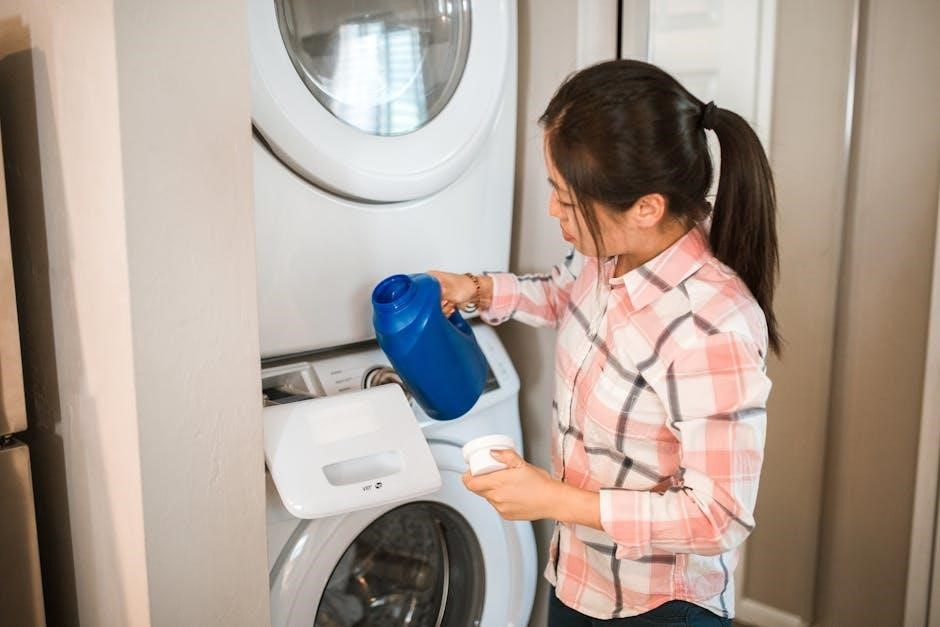
Your GE condenser dryer’s efficiency relies heavily on a clean condenser. Dust and lint accumulate, reducing airflow and increasing drying times. The manual details a specific procedure, typically involving accessing the condenser unit – often at the base of the dryer, behind a removable panel.
Carefully remove the condenser, and using a vacuum cleaner with a brush attachment, thoroughly clean the fins. Avoid bending the delicate fins, as this will impair performance. Some models may benefit from gentle rinsing with water, ensuring it’s completely dry before reinstallation.
Frequency is key; the manual will recommend cleaning intervals based on usage, but generally, every few months is advisable; A clogged condenser forces the dryer to work harder, consuming more energy and potentially leading to overheating. Regular cleaning maintains optimal performance and extends the dryer’s lifespan.
Filter Cleaning Procedures
The lint filter in your GE condenser dryer is crucial for efficient operation. Located typically inside the dryer door or within the airflow path, it captures lint and debris preventing them from clogging the condenser. Your dryer’s manual provides specific instructions, but generally involves removing the filter – often a simple lift-out design.
Clean the filter after every load to maintain optimal airflow. Use a vacuum cleaner with a brush attachment to remove lint thoroughly. Avoid using water or chemical cleaners, as these can damage the filter material. Inspect the filter regularly for tears or damage; a damaged filter allows lint to pass through, reducing drying efficiency.
A clogged filter significantly increases drying time and poses a fire hazard. Following the manual’s cleaning guidelines ensures safe and effective dryer operation, contributing to its longevity and performance.
Drum Cleaning Recommendations
Maintaining a clean dryer drum is essential for optimal performance and preventing unpleasant odors. Your GE condenser dryer manual likely recommends periodic drum cleaning to remove residue from fabric softeners, detergents, and transferred dyes. A simple cleaning solution of warm water and mild detergent works effectively.
Apply the solution with a soft cloth, wiping down the entire interior surface of the drum. Avoid abrasive cleaners, as they can damage the drum’s finish. For stubborn residue, a slightly dampened microfiber cloth can help loosen buildup. Run an empty, short cycle with a clean, damp cloth inside to rinse away any remaining solution.
Regular drum cleaning prevents staining of clothes and ensures efficient drying. Always refer to your specific model’s manual for tailored recommendations and safety precautions regarding cleaning agents.

Troubleshooting Common Issues
GE’s recent restructuring into Aerospace, Vernova, and HealthCare impacts support access; consult your dryer manual and GE’s updated websites for assistance.
Dryer Not Starting
If your GE condenser dryer fails to start, first verify the power cord is securely plugged into a functioning outlet. Check your home’s circuit breaker or fuse box to ensure the dryer’s circuit hasn’t tripped or blown – a common issue with high-wattage appliances. Consult the manual for specific breaker amperage requirements.
Next, confirm the door is completely and firmly closed; a safety interlock prevents operation if the door isn’t properly latched. Examine the control panel for any illuminated error codes, referencing the manual’s troubleshooting section for their meanings. If the ‘Start/Pause’ button isn’t responding, try pressing it firmly and holding it for a few seconds.
Remember GE has undergone significant changes with the spin-offs of GE Aerospace, GE Vernova, and GE HealthCare; support resources may have shifted. Refer to the official GE support website corresponding to your dryer’s manufacturing date for the most accurate assistance.
Clothes Still Wet After Cycle
If clothes remain wet after a complete drying cycle, the most frequent cause is a full condenser unit. GE condenser dryers extract moisture which collects in the condenser; a clogged condenser drastically reduces efficiency. Refer to your manual for detailed cleaning instructions – this typically involves removing and rinsing the condenser with water.
Another potential issue is an overloaded drum. Overloading restricts airflow, preventing proper drying. Ensure you’re adhering to the dryer’s capacity guidelines outlined in the manual. Also, verify the selected cycle matches the fabric type and load size. Incorrect settings can lead to insufficient heat or drying time.
Considering GE’s recent restructuring into GE Aerospace, GE Vernova, and GE HealthCare, ensure you’re accessing support documentation relevant to your dryer’s original manufacturing entity for accurate troubleshooting.
Error Codes & Their Meanings
GE condenser dryer error codes are crucial for diagnosing issues. Your dryer’s manual provides a comprehensive list; consult it first! Common codes relate to condenser blockage (indicating a need for cleaning – see maintenance section), or issues with the water tank being full or improperly installed. Other codes may signal heating element failures or sensor malfunctions.
Pay close attention to the specific code displayed, as variations can pinpoint the exact problem. GE’s recent corporate changes – splitting into GE Aerospace, GE Vernova, and GE HealthCare – mean support resources may now be segmented. Ensure you’re referencing documentation appropriate for your dryer’s original brand affiliation.
Record the error code before contacting customer support; this will expedite the troubleshooting process. Ignoring error codes can lead to further damage.
Safety Information
Always disconnect the dryer before maintenance. GE’s recent restructuring into Aerospace, Vernova, and HealthCare doesn’t alter fundamental safety precautions for appliance operation.
Important Safety Precautions
Before operating your GE condenser dryer, carefully review all safety guidelines within the manual. Disconnect the appliance from the power source before any cleaning or maintenance procedures to prevent electrical shock. Never operate the dryer if the power cord or plug is damaged; contact GE Customer Support for assistance.
Ensure proper ventilation around the dryer, avoiding obstruction of air intake or exhaust vents. Do not dry items that have been soaked in flammable liquids, such as gasoline or cleaning solvents, as these pose a fire hazard. Keep the surrounding area free from combustible materials.
Following the recent GE company divisions – Aerospace, Vernova, and HealthCare – safety standards remain paramount. Supervise children when they are near the dryer, and utilize the child safety lock feature when available. Regularly inspect the lint filter and clean it after each use to maintain optimal performance and prevent fire risks.
Child Safety Lock Feature
The Child Safety Lock feature, if equipped on your GE condenser dryer, is a crucial safety mechanism. Activated through a specific button combination (refer to your manual for precise instructions), this lock disables the control panel, preventing accidental operation by children. This feature is particularly important given GE’s recent restructuring into GE Aerospace, GE Vernova, and GE HealthCare, maintaining consistent safety across all divisions.
When engaged, the control panel will become unresponsive to touch, safeguarding against unintended cycle starts or modifications. Remember to deactivate the lock when you intend to use the dryer. The manual provides a clear explanation of the activation and deactivation process, ensuring ease of use.
Prioritize safety by utilizing this feature whenever children are present. Regularly check the functionality of the lock to confirm it’s operating correctly. This simple precaution contributes significantly to a safe laundry environment.

GE Company Information & Support
GE now comprises GE Aerospace, GE Vernova, and GE HealthCare, offering dedicated support resources via GE.com and individual company websites for assistance.
GE Aerospace & Recent Spinoffs
GE’s transformation into three independent public companies—GE Aerospace, GE Vernova, and GE HealthCare—represents a pivotal moment in the company’s history. Completed in 2024, this strategic move allows each business to focus on its specific market and innovation opportunities. GE Aerospace, now a standalone entity, concentrates on jet and turboprop engines, alongside integrated systems for commercial, military, and general aviation.
This spinoff followed a period of restructuring and portfolio optimization, designed to unlock greater value for shareholders and customers. The updated GE.com now directs users to the dedicated websites for each company, facilitating access to tailored information and support. Burak Orkun Tuncer exemplifies success within GE Aerospace, highlighting the career opportunities available. The separation aims to empower each entity to thrive in its respective industry, driving future growth and technological advancements.
GE Investor Relations
For investors seeking information regarding GE’s financial performance and shareholder services, dedicated resources are now available through the individual company websites following the recent spinoffs. Access to GE Aerospace’s investor relations portal provides comprehensive details on the company’s financials, including the latest Annual Report and Quarterly Earnings releases. This transparency aims to foster strong relationships with shareholders and provide a clear understanding of the company’s value proposition.
Previously a multinational conglomerate, General Electric Company (GE) has evolved. Now, investors can find specific data related to GE Aerospace, GE Vernova, and GE HealthCare separately. Key contacts for investor inquiries are readily accessible, ensuring efficient communication and responsiveness. The investor relations section offers insights into GE Aerospace’s strategic direction, growth initiatives, and long-term financial outlook.
Contacting GE Customer Support
Following the company’s transformation into three independent entities – GE Aerospace, GE Vernova, and GE HealthCare – customer support channels have been streamlined to ensure focused assistance. To reach the appropriate support team for your GE condenser dryer, it’s crucial to identify which company now oversees that product line. While GE.com directs users to the standalone sites, direct links for specific appliance support may vary.
General contact information for GE Aerospace is available on their website (GEAEROSPACE.COM), but appliance inquiries might be better directed through dedicated channels. Frequently Asked Questions (FAQs) address common concerns related to the spinoff and how to access support for different GE products. For immediate assistance, explore the GE Aerospace website for contact forms or phone numbers, keeping in mind the recent organizational changes.
Advanced Features (If Applicable)
GE’s recent restructuring into GE Aerospace, GE Vernova, and GE HealthCare may influence the availability of advanced features and smart connectivity in newer models.
Steam Functions Explained
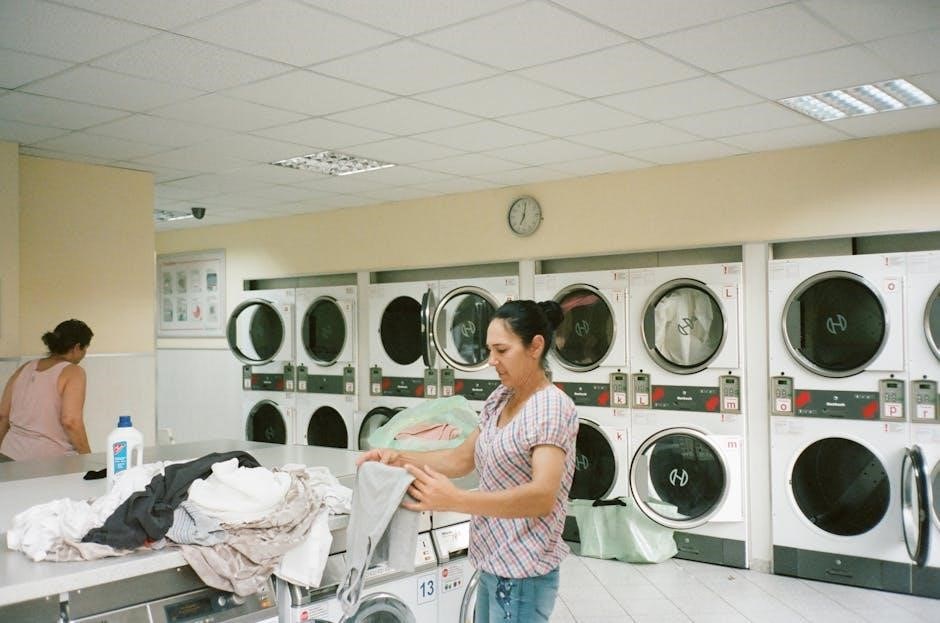
While information directly linking steam functions to GE condenser dryer manuals is limited within the provided context, understanding GE’s broader technological advancements is relevant. GE’s recent transformation into GE Aerospace, GE Vernova, and GE HealthCare signifies a commitment to innovation across its sectors.
If your GE condenser dryer does feature steam functionality, the manual will detail its benefits – typically wrinkle reduction and fabric refreshing. Steam cycles gently relax fibers, minimizing ironing needs. The manual will outline specific steam settings for various fabric types, ensuring optimal results and preventing damage.
Crucially, the manual will also provide safety instructions regarding steam usage, including warnings about hot surfaces and proper ventilation. It will explain how to maintain the steam generator, such as descaling procedures to prevent mineral buildup and ensure efficient operation. Refer to your specific model’s manual for detailed instructions and safety guidelines related to steam functions.
Smart Features & Connectivity
As GE evolves into GE Aerospace, GE Vernova, and GE HealthCare, smart technology integration is a growing focus across its businesses. While the provided information doesn’t detail specific smart features in GE condenser dryer manuals, modern GE appliances often include Wi-Fi connectivity and smart controls.
If your dryer possesses these capabilities, the manual will guide you through connecting it to your home network and utilizing the GE SmartHQ app. This app allows remote control, cycle monitoring, and access to smart diagnostics. You may receive notifications about cycle completion or potential maintenance needs.
The manual will explain how to troubleshoot connectivity issues and update the dryer’s software for optimal performance. It will also detail any voice control compatibility (e.g., with Amazon Alexa or Google Assistant). Always refer to your model’s specific manual for detailed instructions on utilizing its smart features and ensuring data privacy.