Purpose and Scope of the BSA Shooting Sports Manual
The BSA Shooting Sports Manual establishes clear objectives, defines eligibility, outlines safety standards, and sets operational guidelines for all Scouting shooting activities. It ensures compliance with BSA policy, protects participants, and promotes responsible firearm use and promotes safety for all

Key Definitions and Terminology
In the BSA Shooting Sports Manual, the following terms are defined to ensure consistent understanding across all program participants and staff: Range Activity SAFEty (RASE) Trainer, the certified instructor responsible for teaching safe firearm handling and supervising all range operations; Nationally Authorized Camp Property Range, a shooting range located on BSA camp property that meets all manual safety and operational standards; Commercial Firearm Range Partnership, a collaboration between a BSA unit and an external range that complies with BSA safety protocols; Shooting Sports Director, the designated leader who oversees the entire shooting program, ensuring compliance with all regulations; Equipment Standards, specifications for firearms, ammunition, and protective gear required for safe participation; Documentation and Record‑Keeping, the systematic recording of participant ages, certifications, and incident reports as mandated by the manual; Emergency Response Protocols, procedures for handling medical or safety incidents during range activities. Target Safety Officer, the individual responsible for ensuring all target and shooting equipment is properly maintained and that all safety protocols are followed during range activities. Range Safety Officer, the person who conducts daily safety inspections and ensures all firearms are stored and handled in accordance with BSA policies. All definitions are to maintaining compliance and ensuring the safety of participants during BSA shooting sportsactivities.
Program Governance and Authority
The BSA Shooting Sports Manual delineates a clear chain of command and authority structure that governs all shooting activities across the organization. At the apex, the National Council’s Shooting Sports Committee establishes overarching policy, approves curriculum, and sets safety benchmarks. The Committee’s directives cascade to Regional Councils, which adapt national standards to local contexts while maintaining compliance. Each Council appoints a Shooting Sports Director who serves as the primary liaison between national policy and unit‑level execution. The Director is responsible for approving range facilities, certifying staff, and ensuring that all activities align with the Manual’s risk‑management framework.
Unit leaders, including Troop, Crew, and Venturing leaders, must obtain the RASE certification and maintain up‑to‑date records of all participants’ age and safety training. They are empowered to conduct daily safety briefings, enforce equipment standards, and monitor compliance with the Manual’s operational guidelines. The Manual grants the Director authority to suspend or terminate activities that fail to meet safety criteria, and to mandate remedial training for staff or participants. In addition, the Manual designates the National Shooting Sports Committee as the ultimate arbiter for disputes, ensuring that all decisions are grounded in a unified set of principles.
Compliance is monitored through a structured audit process. The Director submits quarterly reports to the Regional Council, detailing range inspections, incident logs, and training completion rates. These reports are reviewed by the National Committee, which may conduct surprise inspections or require corrective action plans. The Manual’s governance model emphasizes accountability, transparency, and continuous improvement, thereby safeguarding participants while fostering a culture of responsible firearms stewardship across the BSA community. By embedding these governance principles into every level of the program, the Manual ensures that safety, education, and compliance are inseparable pillars of every shooting activity.
Safety Training and Certifications
All participants, from youth to adult leaders, must complete the BSA‑approved Range Activity SAFEty (RASE) course before engaging in any shooting activity. The RASE curriculum covers firearm fundamentals, safe handling, target identification, and emergency response. Completion is verified by a signed certificate, which must be retained in the unit’s safety log and scanned into the digital compliance portal. Adult leaders are required to hold a current National Rifle Association (NRA) or equivalent certification, and must renew annually. Youth participants receive age‑appropriate instruction that emphasizes situational awareness and the “Three Rules of Safety.” The Manual mandates that every range visit begin with a pre‑range safety briefing, led by the Shooting Sports Director or a certified RASE instructor. In addition, the Manual requires periodic refresher courses for all staff and volunteers, ensuring that knowledge of evolving safety protocols remains current. Documentation of training hours, instructor credentials, and participant attendance is mandatory and must be submitted to the Regional Council on a quarterly basis. Failure to maintain up‑to‑date certifications results in suspension of range access until compliance is restored. By enforcing rigorous training standards, the Manual safeguards participants and promotes a culture of responsible firearms stewardship across all BSA programs. The Manual’s safety framework evolves with practices, ensuring participantall experience remains secure, educational, and aligned with Scouting values.
Range Selection and Facility Standards
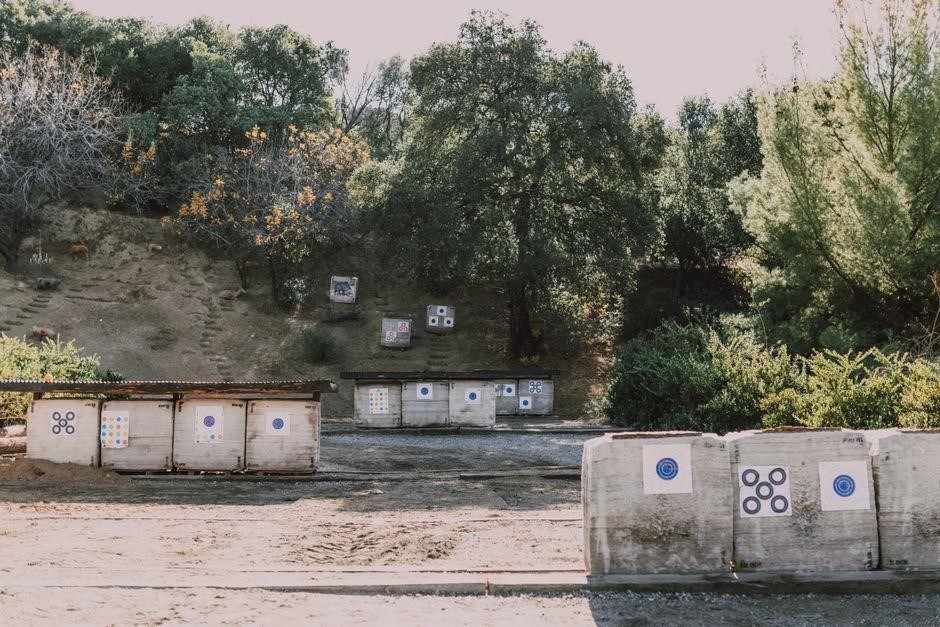
Choosing a range for BSA shooting activities requires strict adherence to the Manual’s criteria. First, the range must be a nationally authorized camp property or a commercial facility that has received a BSA shooting sports accreditation. The site must provide a minimum of 100 yards of clear, unobstructed shooting space, with a safe backstop that meets the Manual’s impact‑resistance specifications. Each target station must be separated by at least 30 feet to prevent cross‑fire and must include a clearly marked safety zone. The facility must have a dedicated range safety officer who holds a valid RASE certification and is trained in first aid and emergency evacuation. Firearm storage on the premises must be secure, with all rifles and handguns locked in a certified armory that is inspected annually. The Manual also mandates that the range have a fully functional ventilation system for indoor ranges, and that all outdoor ranges have adequate drainage to prevent water accumulation. Lighting is required for evening sessions, with a minimum of 200 lux at the target line. The range must provide a dedicated first‑aid station, a fire extinguisher, and a clearly posted emergency contact list. All range equipment, including targets, racks, and safety gear, must be inspected before each session and maintained in good condition. The Manual requires that each range host a pre‑session safety briefing, led by the Shooting Sports Director or a certified RASE instructor, to review the Manual’s safety rules and emergency procedures. All participants must follow Manual!.
Program Supervision and Staffing Roles
Program supervision in BSA shooting sports follows a clear hierarchy. The Shooting Sports Director (SSD) is the authority, approving, verifying staff certifications, and maintaining the range safety log
The SSD conducts a pre‑session briefing, reviewing Manual safety rules and confirming that all participants have completed required online Range Activity SAFEty training. This briefing prepares staff for live‑fire sessions
A certified Range Activity SAFEty (RASE) trainer must be present at every session. The trainer enforces safety zones, monitors live‑fire, provides immediate instruction, and records incidents. They also keep a log of equipment and violations
The Safety Officer ensures the range meets ventilation, lighting, and drainage standards. They inspect all safety equipment, confirm backstop integrity, and report any deficiencies to the SSD. The Officer also coordinates emergency drills. All safety checks are documented.!!
Volunteer instructors, often Scouts, guide participants through proper handling, target identification, and situational awareness. They must be supervised by the RASE trainer or SSD, and maintain instructional quality
Documentation is mandatory. The SSD keeps a daily log of attendance, incidents, and equipment status. The RASE trainer records detailed incident reports and safety audit logs. These records are reviewed monthly to identify trends
Emergency response protocols are overseen by the SSD. All staff must know the evacuation route, emergency contact list, and first aid kit location. Regular drills ensure readiness and reinforce the Manual’s safety standards
Compliance, Documentation, and Emergency Procedures
Compliance requires maintaining up‑to‑date safety logs, certification records, and incident reports. Documentation must be filed with the SSD and archived per BSA policy; Emergency procedures include immediate evacuation, first aid, and coordinated communication with local authorities. All records kept. OK
Required Safety Training Courses
The BSA Shooting Sports Manual mandates that all individuals involved in shooting activities complete specific safety training before participation. First, every instructor and supervisor must finish the online Range Activity SAFEty (RASE) course, which covers firearm fundamentals, range rules, emergency response, and responsible handling. This course is required for anyone who will oversee a range, whether on a nationally authorized camp property or at a commercial firearm range. Second, all range directors must obtain the BSA Shooting Sports Director certification, a comprehensive program that includes advanced safety protocols, legal responsibilities, and program management. Third, any volunteer or staff member who will directly supervise youth must complete the BSA Youth Safety and Firearm Handling course, ensuring they understand age‑appropriate instruction. Finally, all participants in shooting sports must have a current, valid BSA or NRA safety certificate on file, and this documentation must be verified annually. These training requirements guarantee that every person on the range is qualified, that safety standards are consistently met, and that the program remains in compliance with BSA policy and national regulations. By adhering to these courses, units can confidently offer shooting sports while protecting youth, staff, and the community.
In addition, the manual requires a refresher RASE module every two years to maintain certification. Commercial range partners must provide proof of staff RASE completion, and all staff must complete a BSA‑approved first‑aid course. The manual also specifies that new volunteers must attend a 4‑hour introductory safety workshop covering the fundamentals of safe shooting, range etiquette, and emergency response. Documentation of each training session is recorded in the unit’s safety log, and any gaps in certification trigger an immediate review by the district office. By following these layered training requirements, the BSA ensures that every range activity is conducted under the highest safety standards and that all personnel are prepared for any emergency.
Units are encouraged to conduct quarterly safety drills to reinforce knowledge and readiness, ensuring that all staff and volunteers remain vigilant and prepared for any situation.
To support improvement, the manual recommends that each unit conduct an annual safety audit, reviewing all training records, equipment, and range conditions Audits should be documented and shared with the district office. Additionally, units may implement peer‑review sessions where experienced instructors observe and provide feedback on safety practices. This collaborative approach helps identify gaps early and promotes a culture of safety excellence across all BSA shooting programs.

Nationally Authorized Camp Property Ranges
Scouting America’s Shooting Sports Manual designates specific camp sites as nationally authorized ranges. These properties meet rigorous criteria for safety, layout, and equipment, ensuring that youth can practice marksmanship under controlled conditions. To qualify, a camp must possess a dedicated shooting area that complies with BSA range standards, including clear backstops, adequate spacing between targets, and proper ventilation for indoor ranges. The site must also have a documented safety plan, emergency response procedures, and trained staff who have completed the required RASE and director certifications. Nationally authorized ranges are regularly inspected by district officers to verify ongoing compliance. The manual requires that each authorized range maintain a log of all activities, including dates, participant ages, and instructor names. Additionally, the property must provide secure storage for firearms and ammunition, with access limited to authorized personnel only. The manual emphasizes that these ranges should be used exclusively for BSA-sanctioned activities, and any deviation from the approved program requires prior written approval from the district office. By adhering to these stringent standards, the BSA ensures that camp ranges provide a safe, educational, and enjoyable environment for Scouts and Venturers alike. All firearms must be stored in a locked, secure facility, and all ammunition kept separately, ensuring maximum safety for every participant during all training

Commercial Firearm Range Partnerships
When a BSA unit seeks to expand its shooting program beyond camp property, the manual permits partnerships with licensed commercial ranges that meet strict BSA criteria. The partnership agreement must be in writing, signed by the unit committee, the range operator, and the district office. It must detail the scope of activities, dates, participant limits, and the required safety training for all instructors and supervisors. The range must hold a valid state license, maintain a clean and secure shooting environment, and provide a documented emergency response plan that aligns with BSA protocols. All firearms used by Scouts must be stored on the range in locked, secure facilities, and ammunition must be kept in separate, locked containers. The BSA requires that every instructor and range supervisor complete the Range Activity SAFEty (RASE) course and hold current BSA or NRA certifications. The manual also mandates that the unit conduct a pre‑visit inspection to verify compliance with BSA range standards, including backstop integrity, target placement, and adequate spacing between shooting lanes. Documentation of each session, including attendance sheets, instructor signatures, and a log of any incidents, must be retained for three years. The partnership must include a clause that allows the district to conduct audits and requires the range to provide a copy of its liability insurance. By adhering to these provisions, units can safely extend their shooting sports offerings while maintaining high safety and educational standards set by the BSA Manual.
Shooting Sports Director Responsibilities
The Shooting Sports Director (SSD) is the central authority overseeing all shooting activities within a unit or district. The SSD must hold a current BSA or NRA certification, complete the RASE training, and maintain up‑to‑date records of all instructors and supervisors. Responsibilities include: establishing a safety policy that aligns with the BSA Shooting Sports Manual; approving range selection and ensuring compliance with facility standards; coordinating instructor scheduling and verifying that each instructor has the required certifications; reviewing and approving all program materials, including target designs, ammunition specifications, and safety signage; conducting pre‑range inspections to confirm that backstops, target placement, and spacing meet BSA requirements; monitoring participant attendance and ensuring that age and eligibility criteria are met; maintaining a comprehensive log of all shooting sessions, incidents, and corrective actions; ensuring that all firearms and ammunition are stored securely and that the unit follows the BSA’s firearm storage policy; coordinating emergency response plans with local law enforcement and first‑aid personnel; and reporting any incidents or concerns to the district office within 24 hours. The SSD also serves as the liaison between the unit, the district, and any commercial range partners, ensuring that all parties adhere to BSA policies and that the unit’s shooting program remains safe, educational, and compliant with all regulations. All actions are documented in the unit’s shooting log daily every!
Range Activity SAFEty (RASE) Trainer Obligations
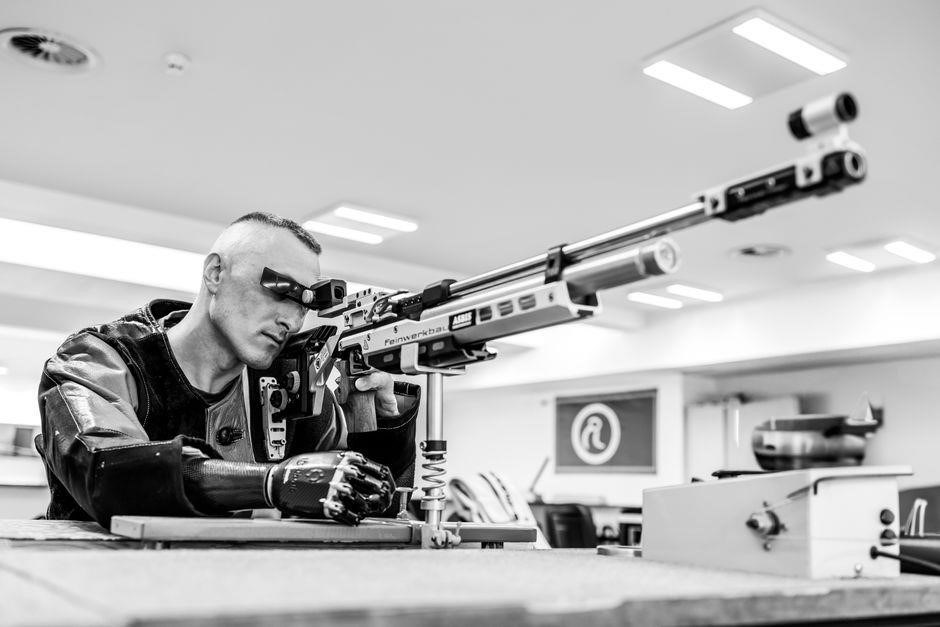
The RASE trainer is the primary safety officer for every shooting session. They must have completed the online RASE course and hold a valid BSA or NRA certification. Their duties include: conducting a pre‑range safety briefing for all participants; verifying that every shooter has a valid ID and meets age and eligibility requirements; inspecting firearms for proper condition and ensuring ammunition is compatible with the range’s specifications; checking that all safety equipment—such as eye and ear protection—is in good working order; monitoring the range for any unsafe behavior and intervening immediately; documenting each session’s safety observations in the unit’s shooting log; reporting any incidents or near‑misses to the Shooting Sports Director within 24 hours; coordinating with the range manager to maintain a clean, hazard‑free environment; and reviewing the range’s emergency response plan to ensure all personnel know their roles. The RASE trainer must also update safety protocols when new equipment or regulations are introduced, and they are responsible for maintaining the RASE certification record in the unit’s database. Their presence guarantees that every activity complies with the BSA Shooting Sports Manual’s safety standards and that participants learn responsible firearm handling in a controlled, supervised setting. Additionally, the RASE trainer must conduct a post‑range debrief with all participants, highlighting key safety lessons, addressing any questions, and reinforcing secure firearm handling. They should review the incident log, update corrective action items, and ensure all safety equipment is stored properly for the next session and maintain readiness daily.
Equipment Standards and Compliance
All firearms and accessories used in BSA shooting activities must meet the strict criteria set forth in the BSA Shooting Sports Manual. Firearms must be in good working order, with no defects that could compromise safety. They must be fully functional, with proper barrel length, appropriate caliber, and a reliable trigger mechanism. Ammunition must be compatible with the firearm’s specifications and stored in a secure, labeled container. Shot‑guns and rifles must have a functional safety lever or mechanism in place at all times. All firearms must be registered with the unit’s shooting sports director and have a current, valid BSA or NRA certification on file. Personal protective equipment—including certified eye protection and hearing protection—must be worn by every shooter at all times. Protective gear must meet ANSI or equivalent standards and be inspected for damage before each session. Range safety equipment, such as backstops, target screens, and safety signs, must be in place and inspected regularly. The range must have a clearly marked and accessible first‑aid kit, a fire extinguisher, and an emergency response plan. All equipment must be stored in a secure, locked area when not in use, and the unit must maintain an inventory log. including serial numbers and condition!! All gear must be inspected daily. Compliance with local, state, and federal regulations is mandatory, any equipment that fails to meet these standards must be removed from the range immediately and replaced with a compliant item.
Documentation, Record‑Keeping, and Emergency Response Protocols
All shooting activities must maintain a comprehensive log that records participant names, ages, and certifications, as well as the specific firearm and ammunition used. Each session requires a signed range safety sheet, a detailed incident report for any mishap, and a daily equipment inspection log. The shooting sports director is responsible for ensuring that all documentation is filed within 48 hours of the activity and retained for a minimum of five years, in accordance with BSA policy. Electronic records must be stored on a secure, password‑protected server, with backups on an encrypted external drive. Physical records are kept in a locked, fire‑proof cabinet at the unit’s headquarters. In the event of an emergency—fire, injury, or accidental discharge—the unit must activate the pre‑approved emergency response plan. This includes immediate notification of local law enforcement, medical services, and the BSA emergency contact list. A designated emergency coordinator must conduct a rapid assessment, secure the area, and provide first aid until professional help arrives. All staff and volunteers must complete the Range Activity SAFEty (RASE) training and be familiar with the emergency procedures. Regular drills are required at least quarterly to ensure readiness and to identify any procedural gaps. Compliance with local, state, and federal emergency regulations is mandatory, and any deviation must be reported to the BSA National Office within 24 hours. Continuous improvement is achieved through post‑incident reviews and updates to the protocol as ed.